
Travel around Japan and you will come across historic buildings, old harbor towns, and dishes you can only find in one particular place. What you rarely get to learn is why they are still there.
For 5 days, from October 20 to 24, 2026, I joined the “Kitamaebune Ferry Tour,” visiting Niigata and the towns of Obama, Mihama, Tsuruga, and Minamiechizen in Fukui Prefecture. To be honest, I knew very little about the Kitamaebune before the trip. But as I explored the buildings and food traditions each town has kept, and listened to the people who live there, I found myself completely drawn into the depth of Japanese history and culture.
In this article, I follow the route of our trip and introduce the towns the Kitamaebune connected, and what makes each of them special.
1. What Was the Kitamaebune? A Trade Network Across the Sea of Japan
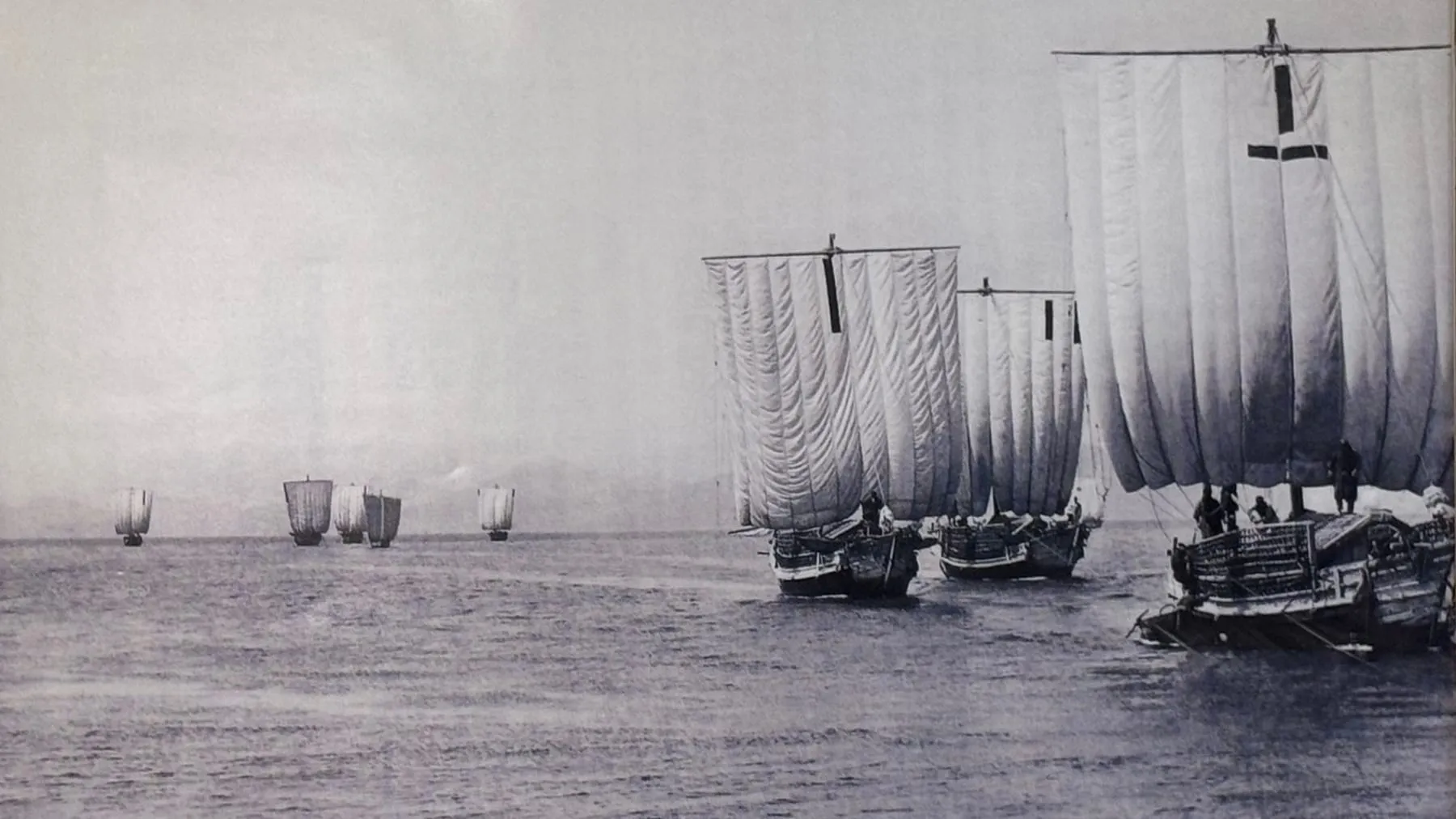
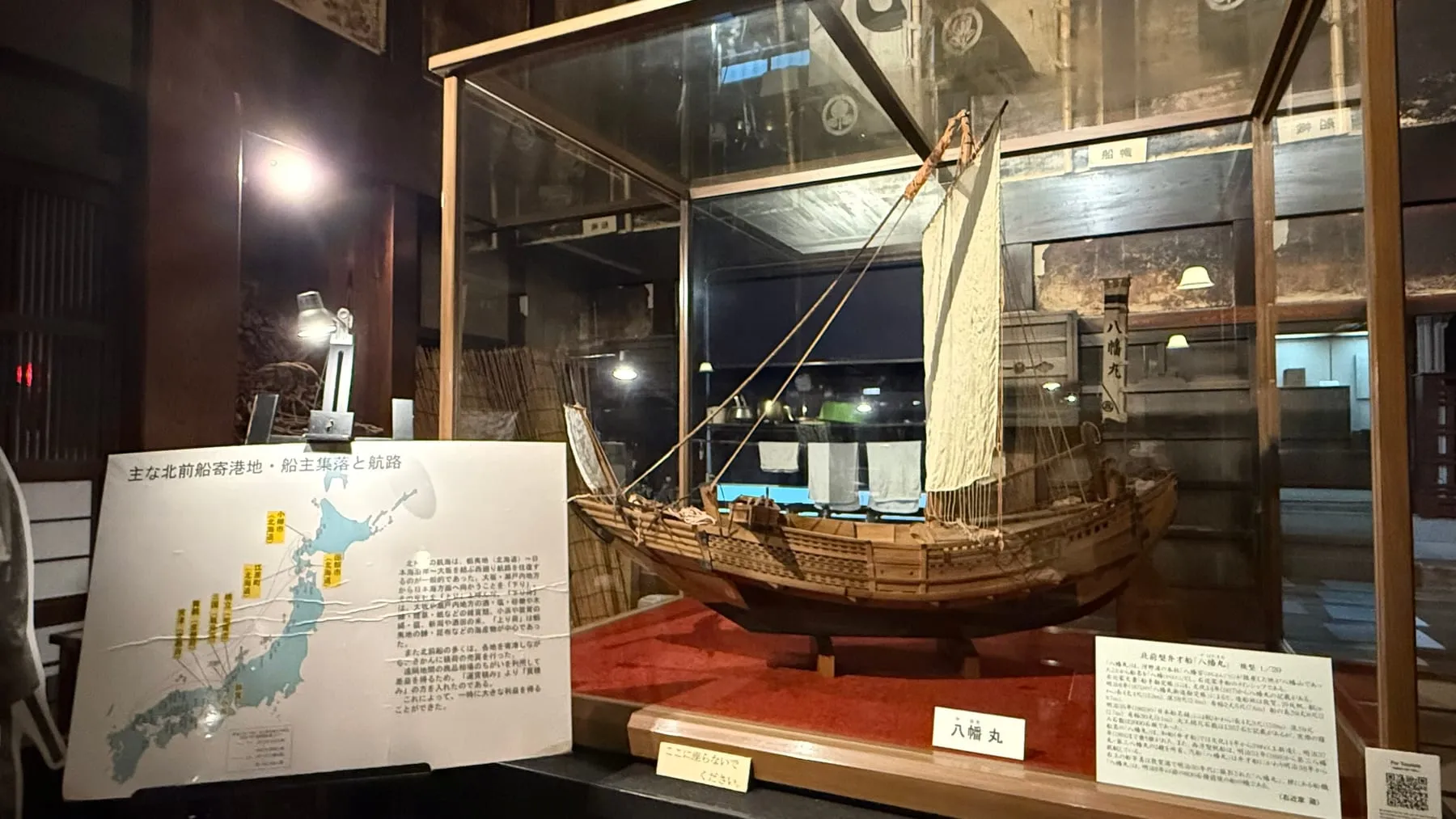
The Kitamaebune were merchant ships that sailed mainly along the Sea of Japan coast, linking Hokkaido in the far north with the Osaka region and trading at ports along the way. They were active from the mid-Edo period, when Japan was ruled by the shoguns, through the Meiji era, when the country began to modernize. Unlike modern cargo ships, they did not just carry goods for a fee. The shipowners and merchants bought goods at one port and sold them at another, making their profit on the difference.
From Hokkaido came kombu (kelp) and herring; from Japan’s main island went rice, sake, clothing, and everyday goods. But goods were not all that traveled with the ships. As people met and mingled, food, skills, and customs spread from one region to the next. The Kitamaebune wove together the economy and culture of Japan, and this trip was a journey in their wake.
2. Niigata: A Port Town’s Prosperity in Merchant Villas and Furumachi Geisha
2-1. The Former Saito Family Villa and the Lives of Wealthy Merchants
Facing the Sea of Japan, Niigata has long been a port town built on shipping and trade. Our first stops, the Former Saito Family Villa and the Former Ozawa Family House, preserve the lives of the merchants who once lived here. The villa was built in 1918 (Taisho 7) by the Saito family, wealthy merchants who made their fortune after entering the Kitamaebune trade in the Meiji era. Its elegant buildings and garden capture Niigata at the height of its prosperity as a merchant city. Once you know the history of the trade, it is no longer just “a grand old house”: you start to imagine the business deals and daily lives that went on behind it.
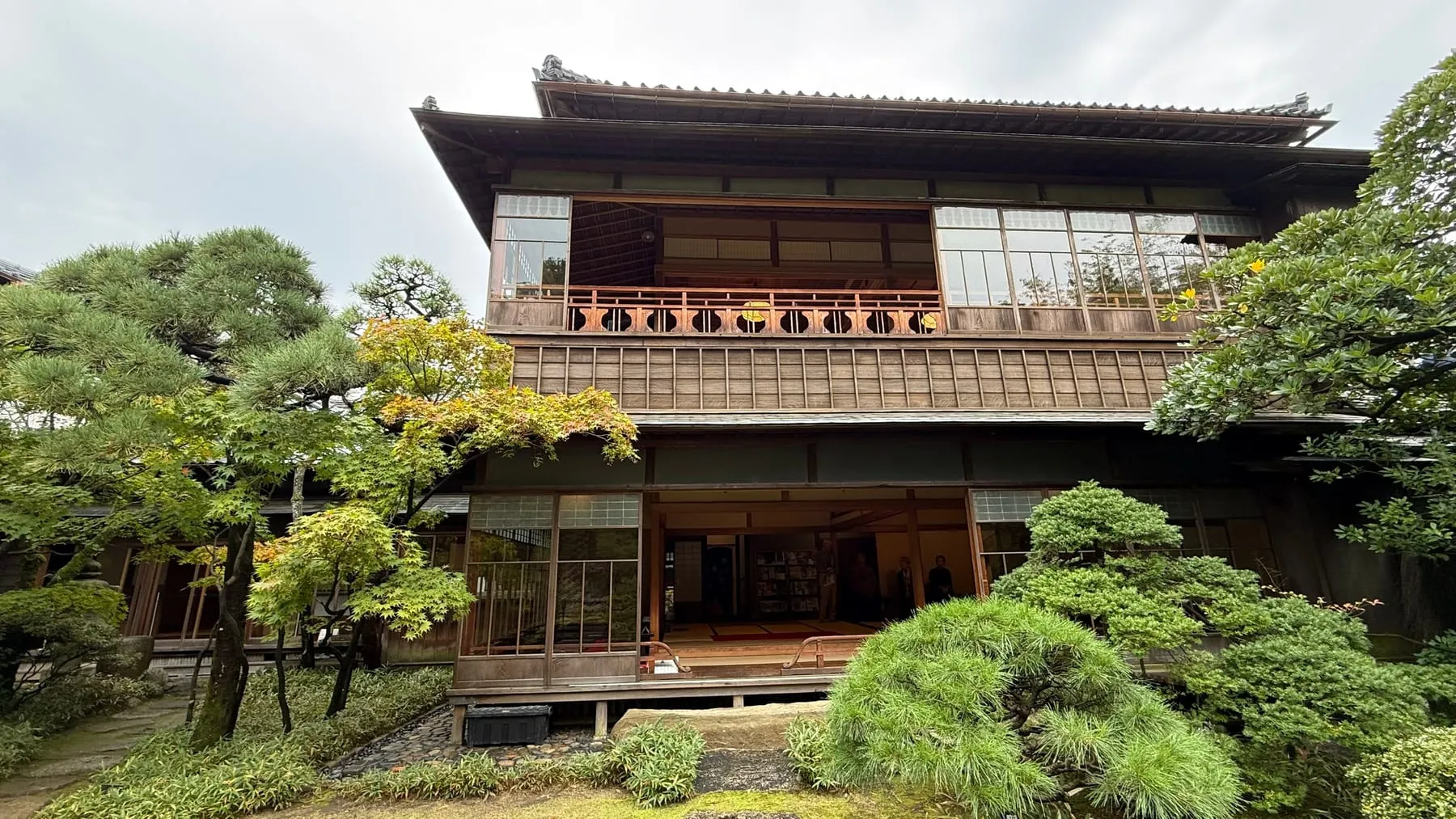
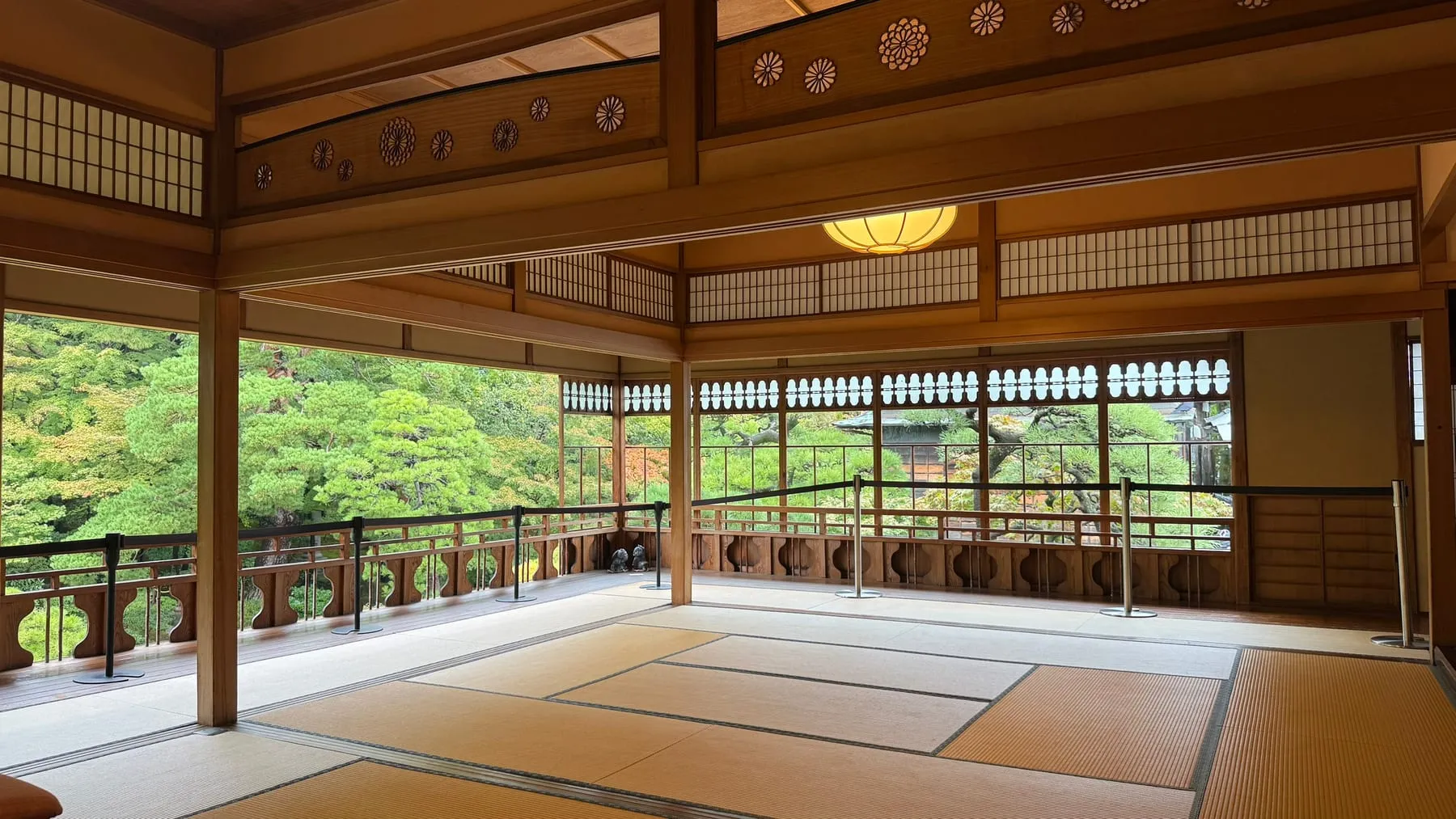
We also learned about local history at Minatopia, the Niigata City History Museum, and toured the miso-making floor at Minemura Jozo, a local miso maker.
2-2. Furumachi Geisha Culture, Still Carried On Today
What stayed with me most was the world of the Furumachi geisha, known locally as geigi. As Niigata thrived as a port of call for the Kitamaebune, the Furumachi district flourished as the place where merchants and sailors were entertained. We watched the geisha dance and tried ozashiki asobi, the traditional party games played with geisha at a banquet. More than the games themselves, what moved me was the sense of how people long ago enjoyed an evening like this.
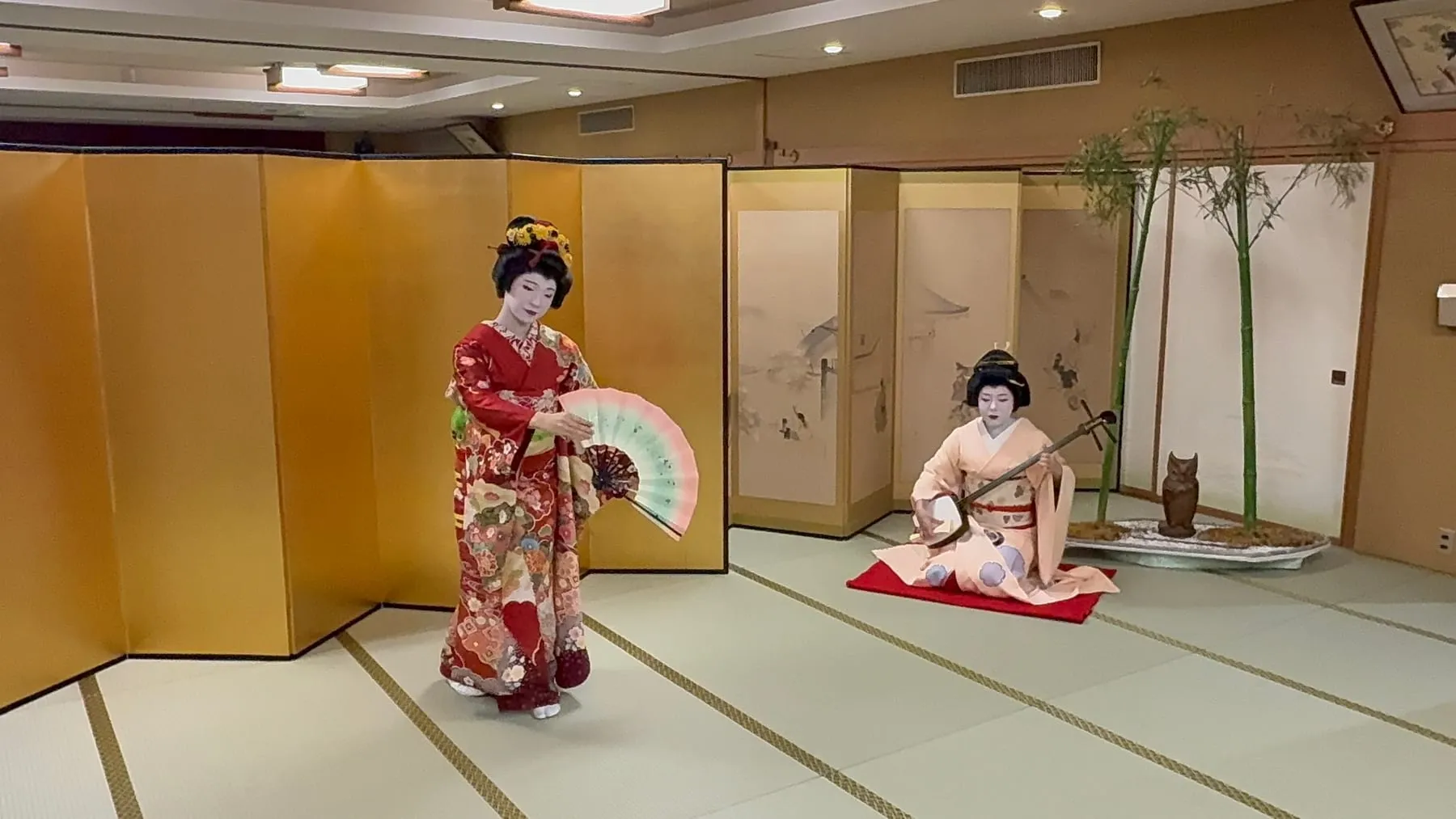
We also heard that times have changed for the geisha, and that there are fewer of them, and fewer guests who invite them to a banquet. Keeping a historic culture alive is never easy. Hearing this from local people in person made me look beyond the beauty of the buildings and the performances to the people who keep this culture going today.
3. Wakasa and Obama: Where the Mackerel Road Begins, and the Charm of GOSHOEN
3-1. Obama: The History of the Mackerel Road and a Rich Mix of Culture
In the Wakasa region of Fukui, we visited the fishing port and historic streets of Obama. Wakasa has long supplied seafood to the old capital of Kyoto, and the route used to carry fish and other seafood there is known as the Saba Kaido, or “Mackerel Road.”
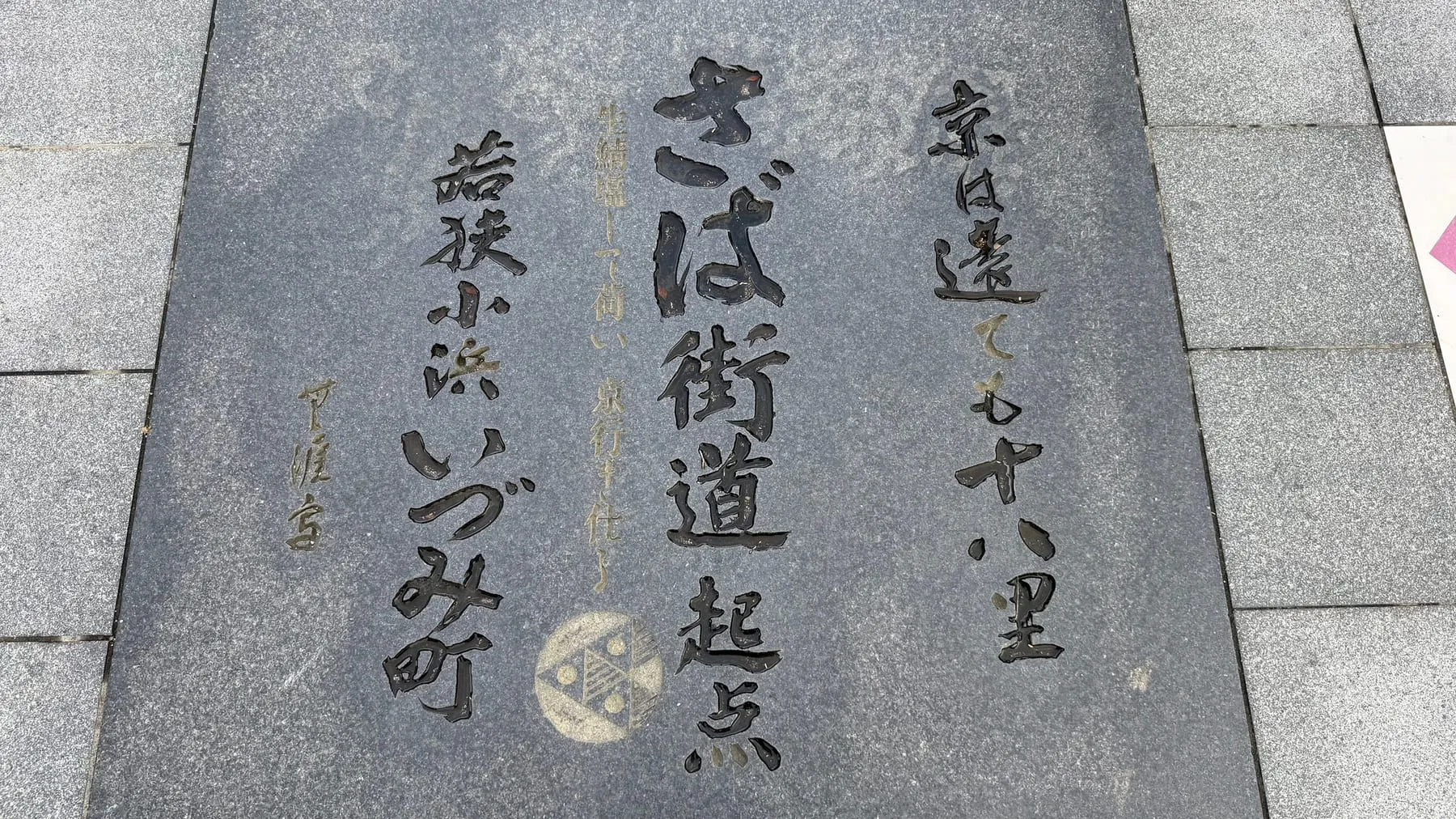
The Mackerel Road and the Kitamaebune trade are separate stories, but they have something in common: both carried the bounty of the sea to other places by human effort, and helped sustain their food cultures.
In Obama, we visited Hachiman Shrine, strolled streets lined with old wooden buildings, and tried our hand at making chopsticks finished in Wakasa lacquer. Seafood, historic streets, faith, and traditional crafts: a single area offers all of this. Not all of it comes from the Kitamaebune, but for me, discovering the story behind each one is what makes travel so rewarding.
3-2. GOSHOEN: Opening a Historic Merchant Villa to Its Community
The place that moved me most on this trip was GOSHOEN in Obama, Fukui Prefecture. It was built in 1815 (Bunka 12) as a villa for entertaining important guests by Furukawaya, a Kitamaebune merchant house based in Obama.
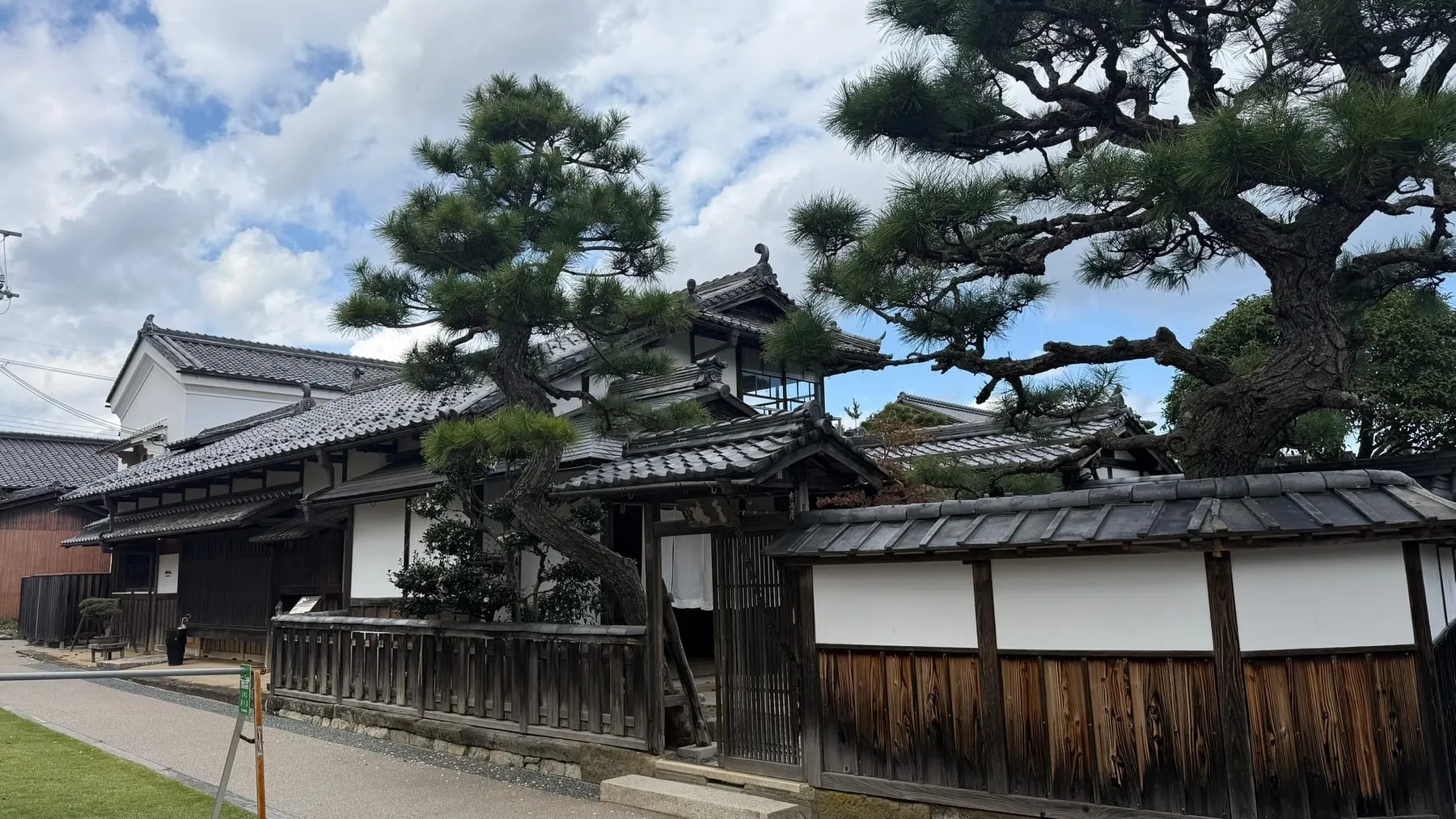
The building’s historical value goes without saying, but what drew me in was something else. Ordinary local people were never allowed inside this house, yet today it has been opened up so that anyone in the community can drop by and use it.
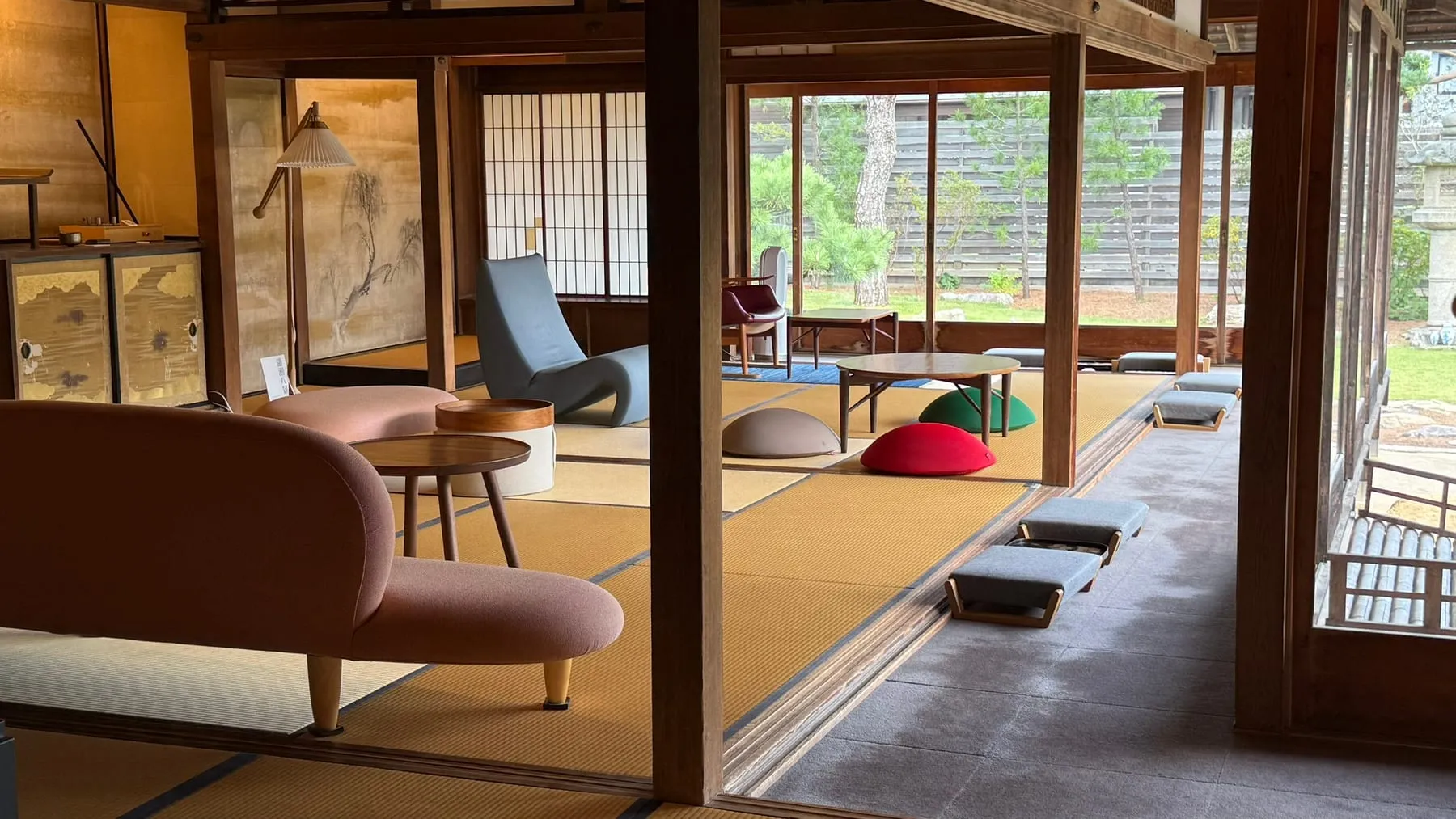
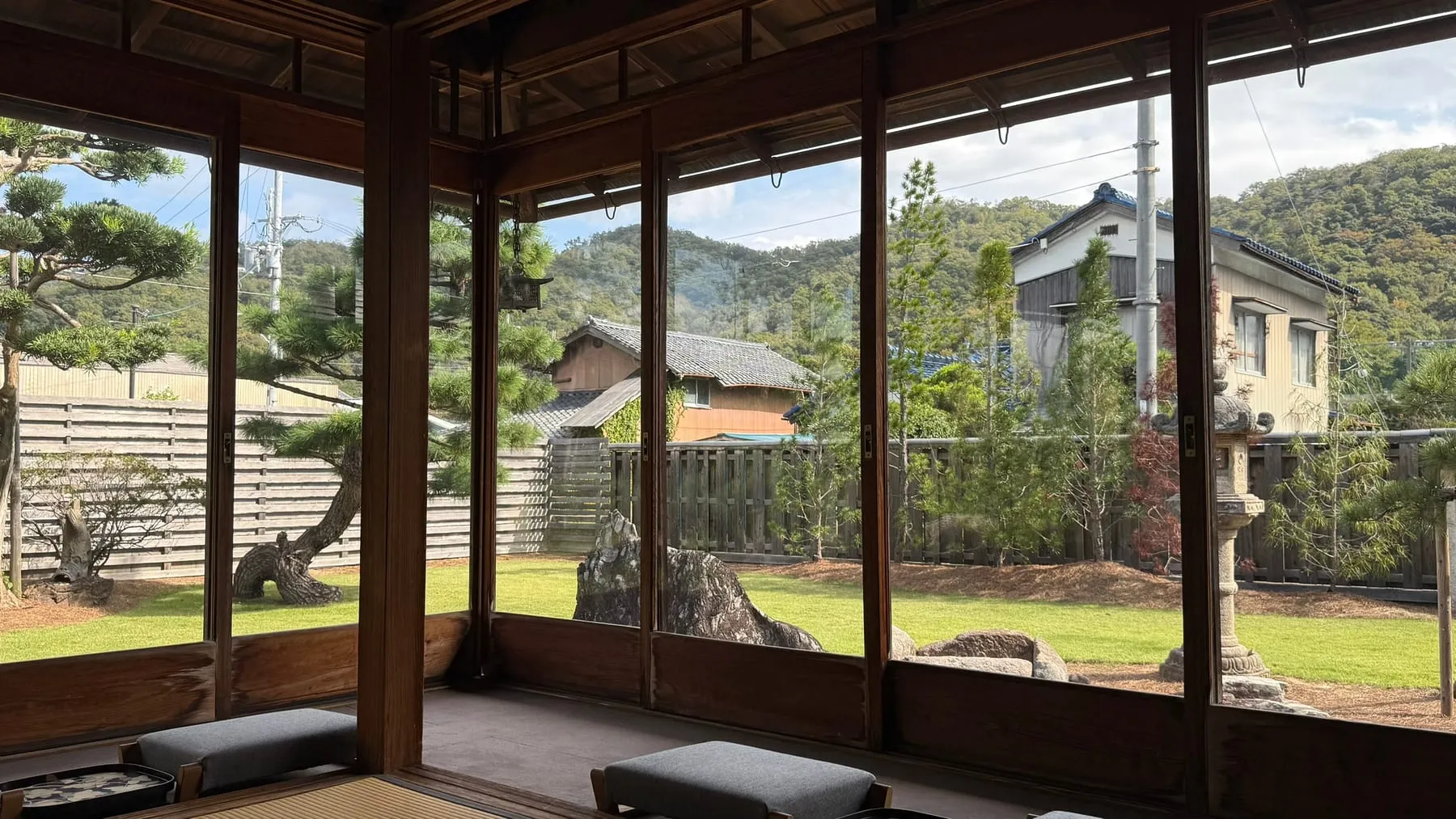
Preserving historic buildings matters. But GOSHOEN goes a step further: instead of simply keeping the building as it was, it brings it into modern life as a place where people gather. Alongside a museum, it has a café and a space to sit and read, as well as a tsukimi yagura, a tower built for viewing the moon.
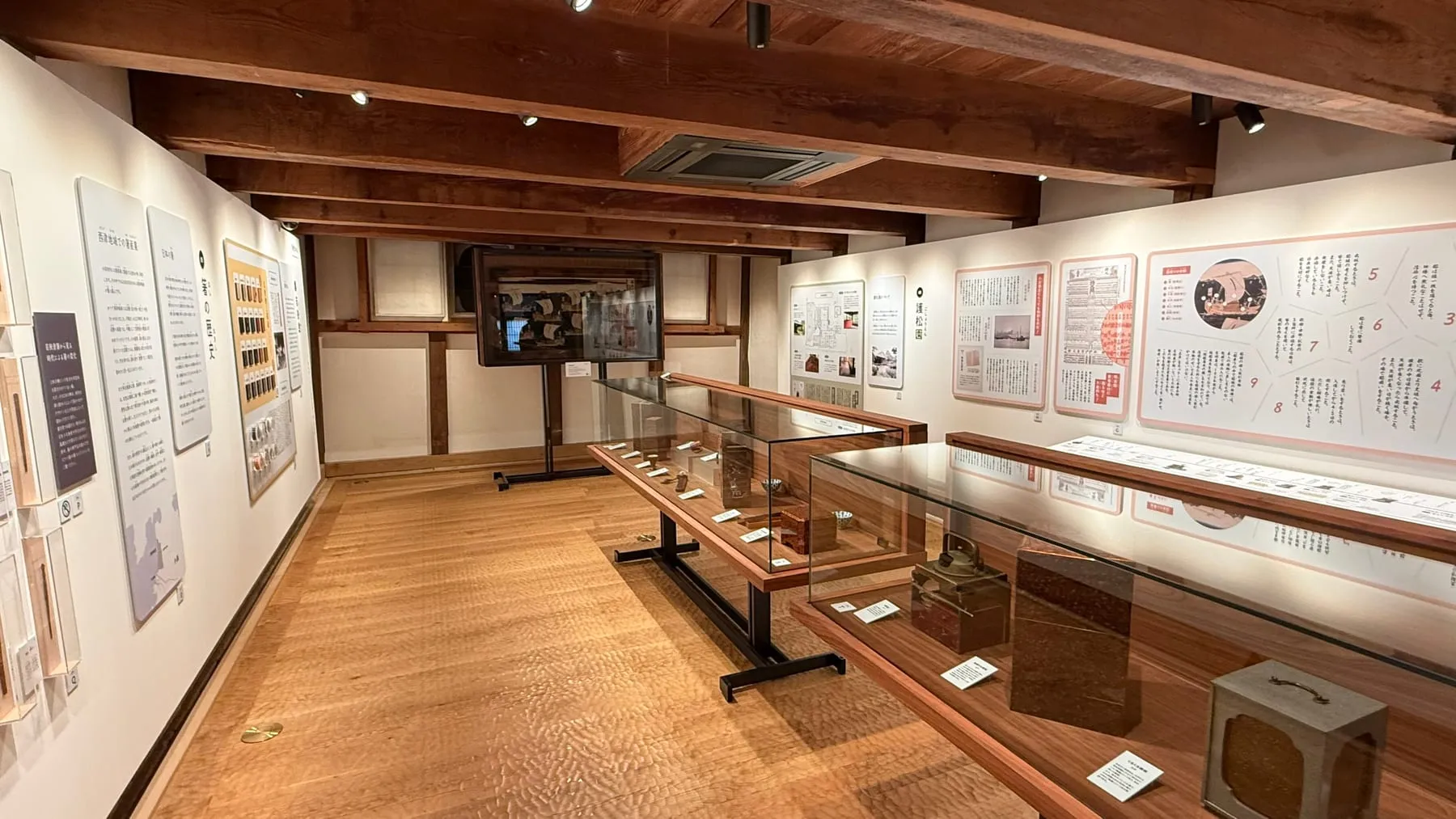
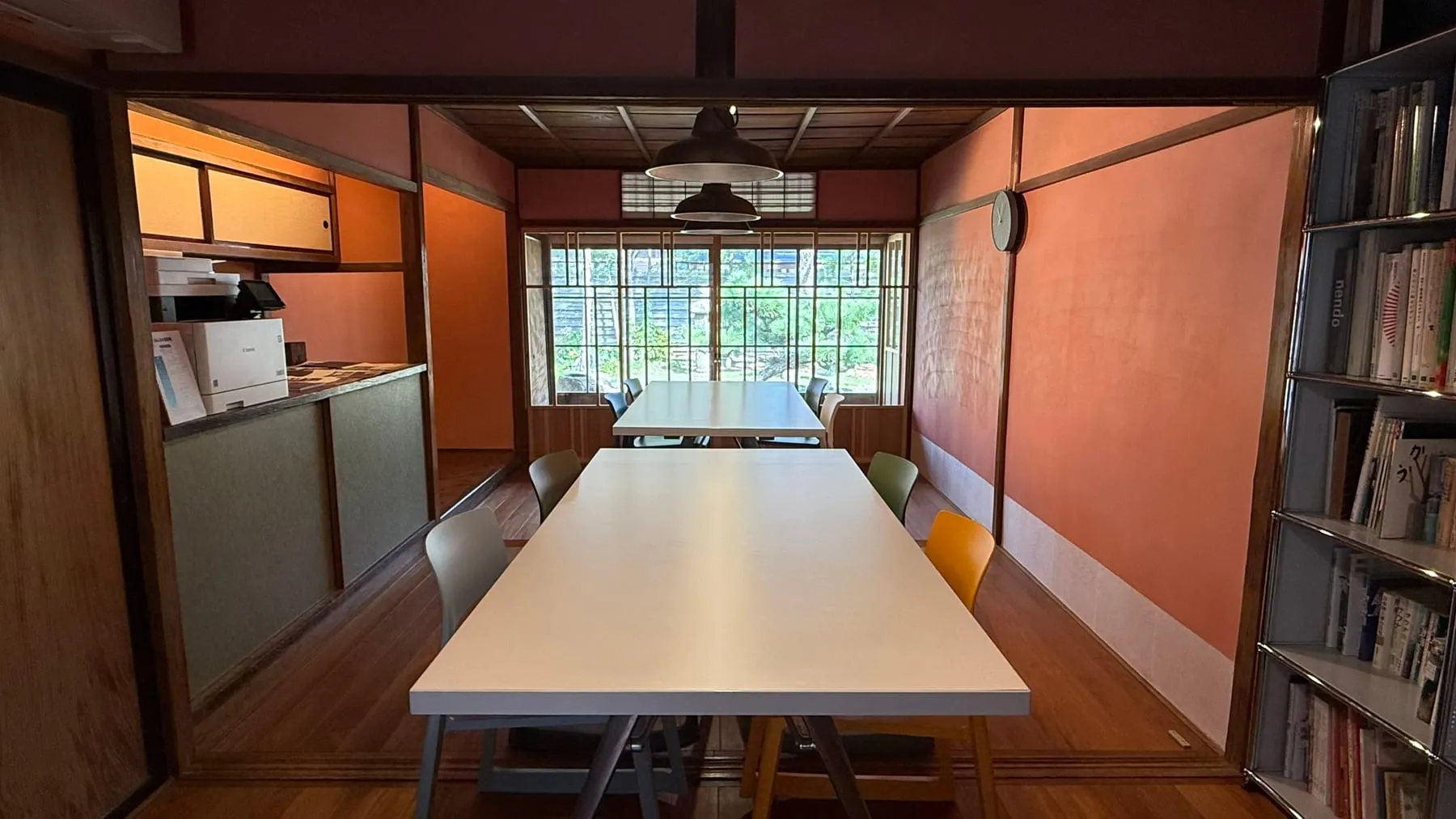
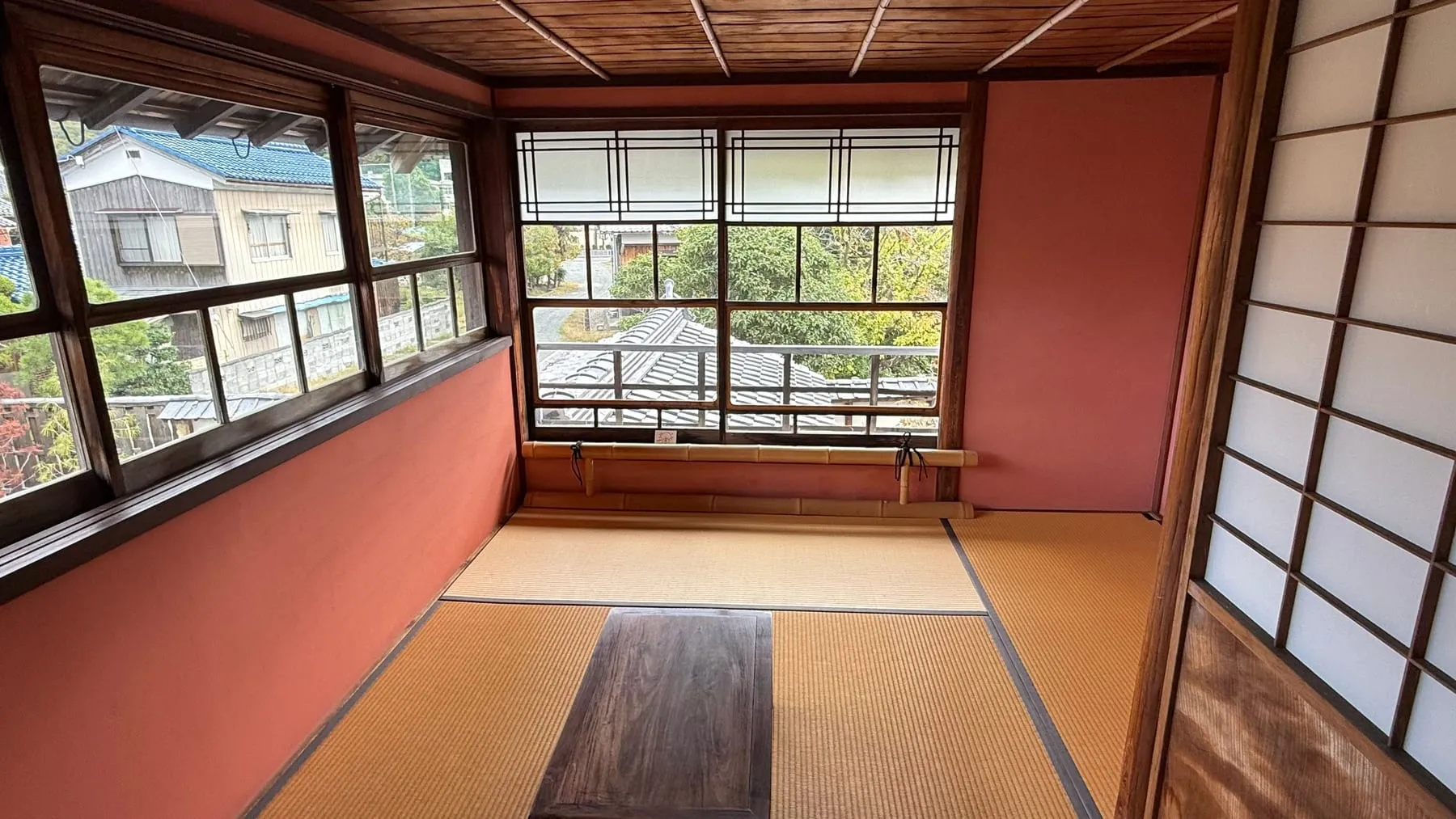
Japan is full of historic buildings and cultural treasures. How do we pass on their value to future generations? GOSHOEN, I felt, offers one answer.
4. Mihama: Spectacular Lake Views, Fishing Village Traditions, and a Sake Brewery
4-1. The View from the Rainbow Line Summit Park and the History of the Lakes
From the Rainbow Line Summit Park, we looked out over the Five Lakes of Mikata, which stretch across the towns of Mihama and Wakasa. The weather was perfect, and the view from the top became one of the most unforgettable sights of the trip.
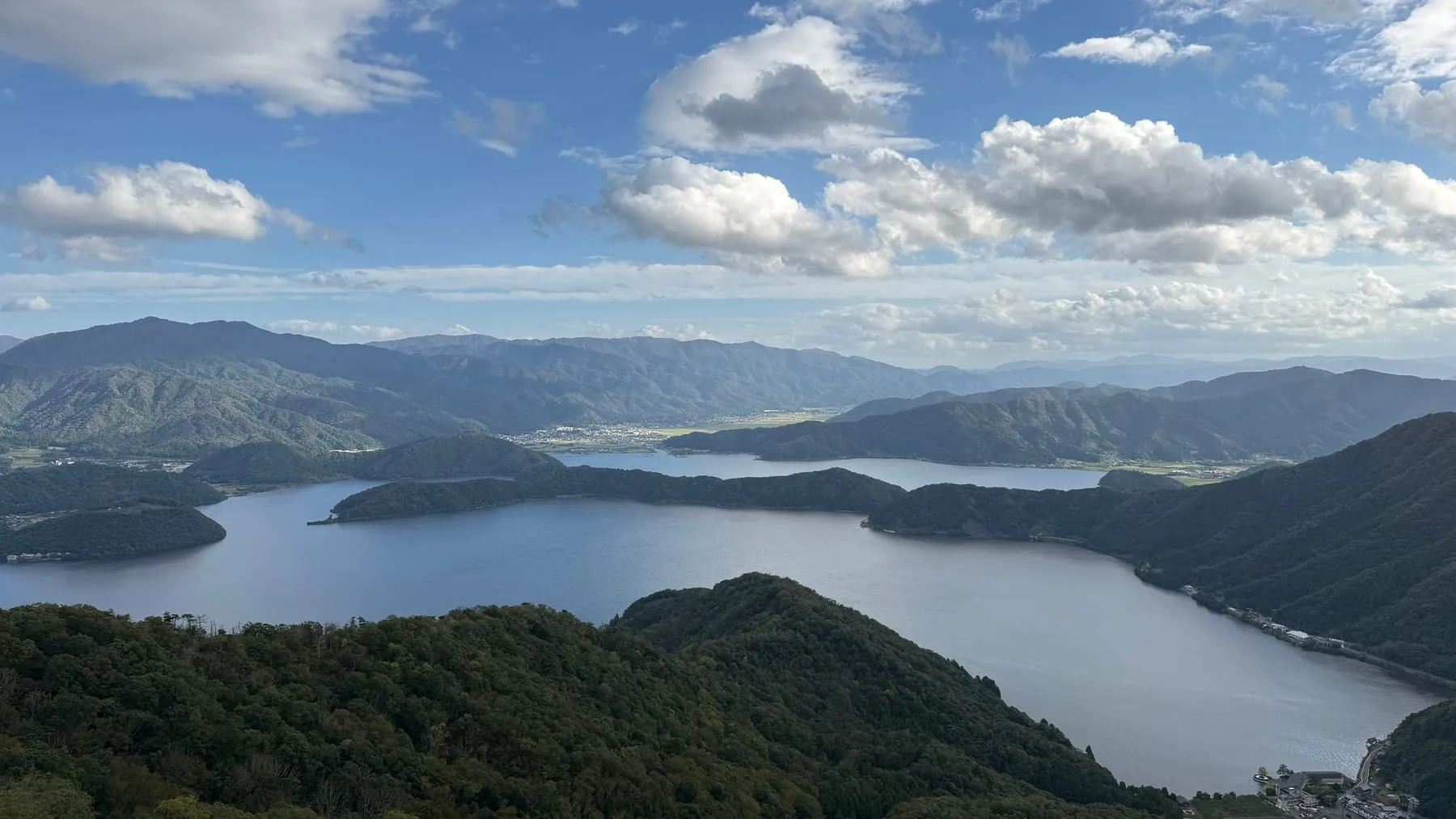
The next day, we took a cruise on the lakes and learned how boats on these waters once carried goods inland. Today the lakes are known for their scenery, but they once kept goods moving and supported people’s daily lives.
4-2. Heshiko, a Traditional Preserved Food, and Hayaseura, from a Brewery Over 300 Years Old
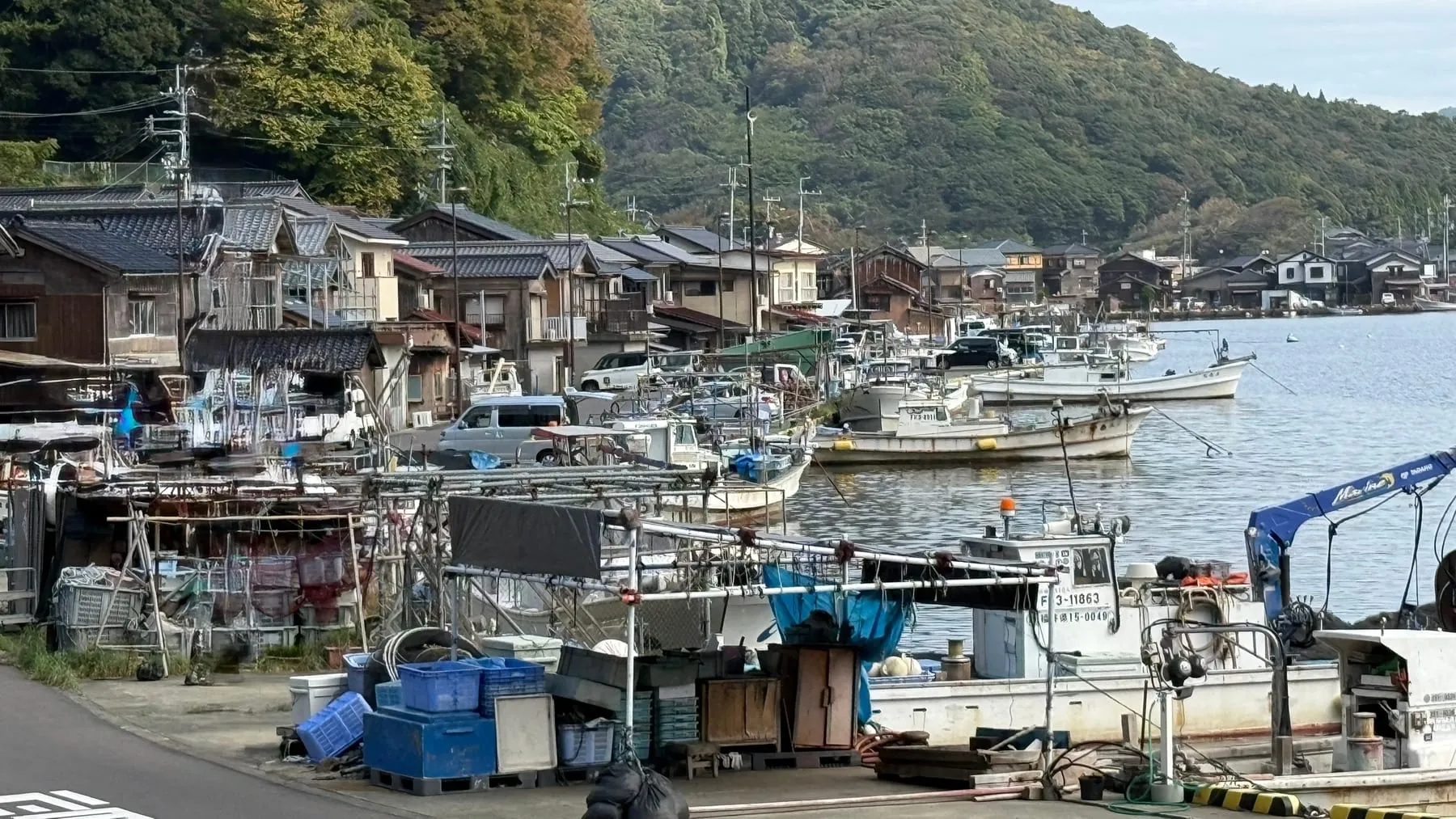
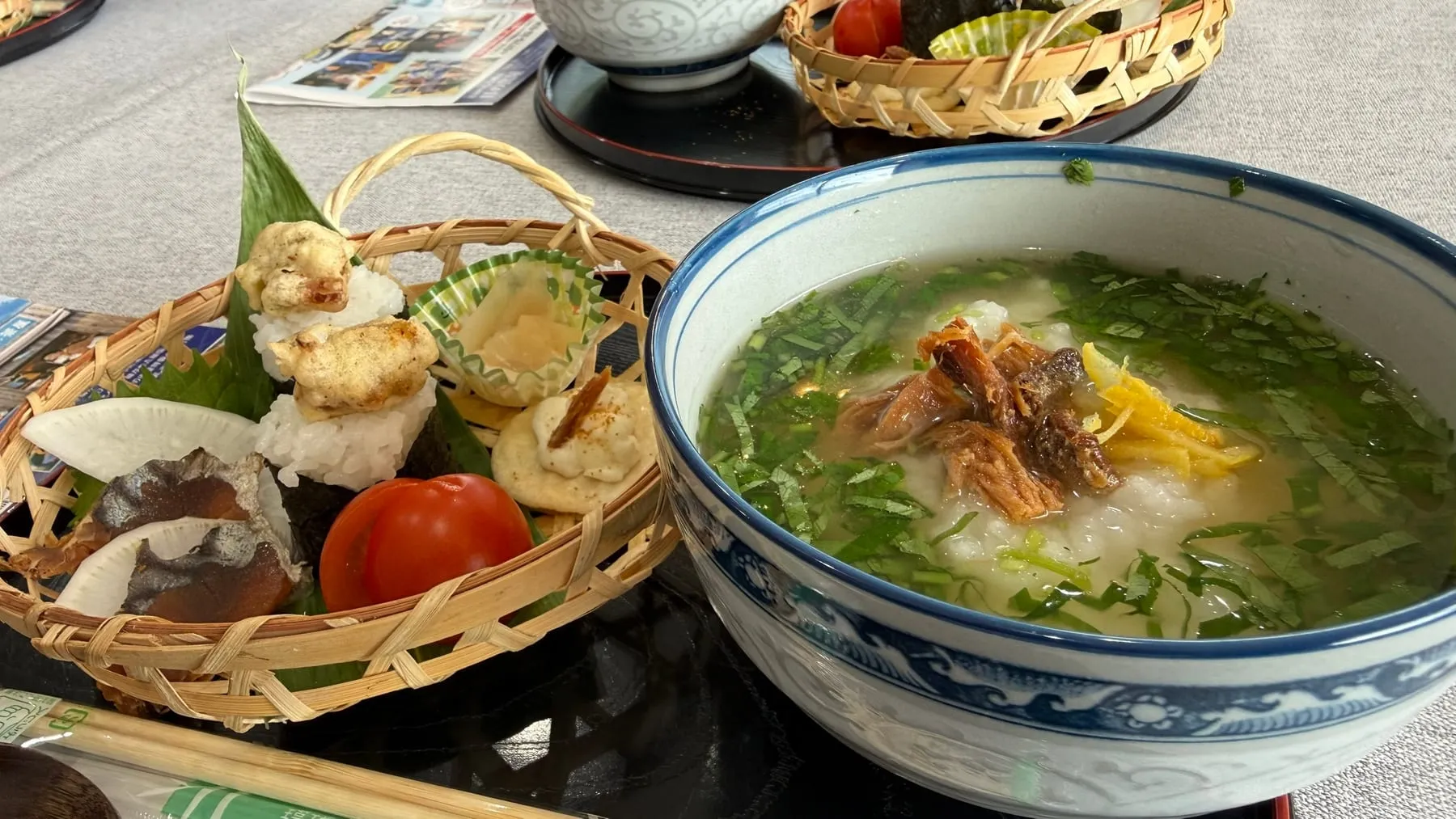
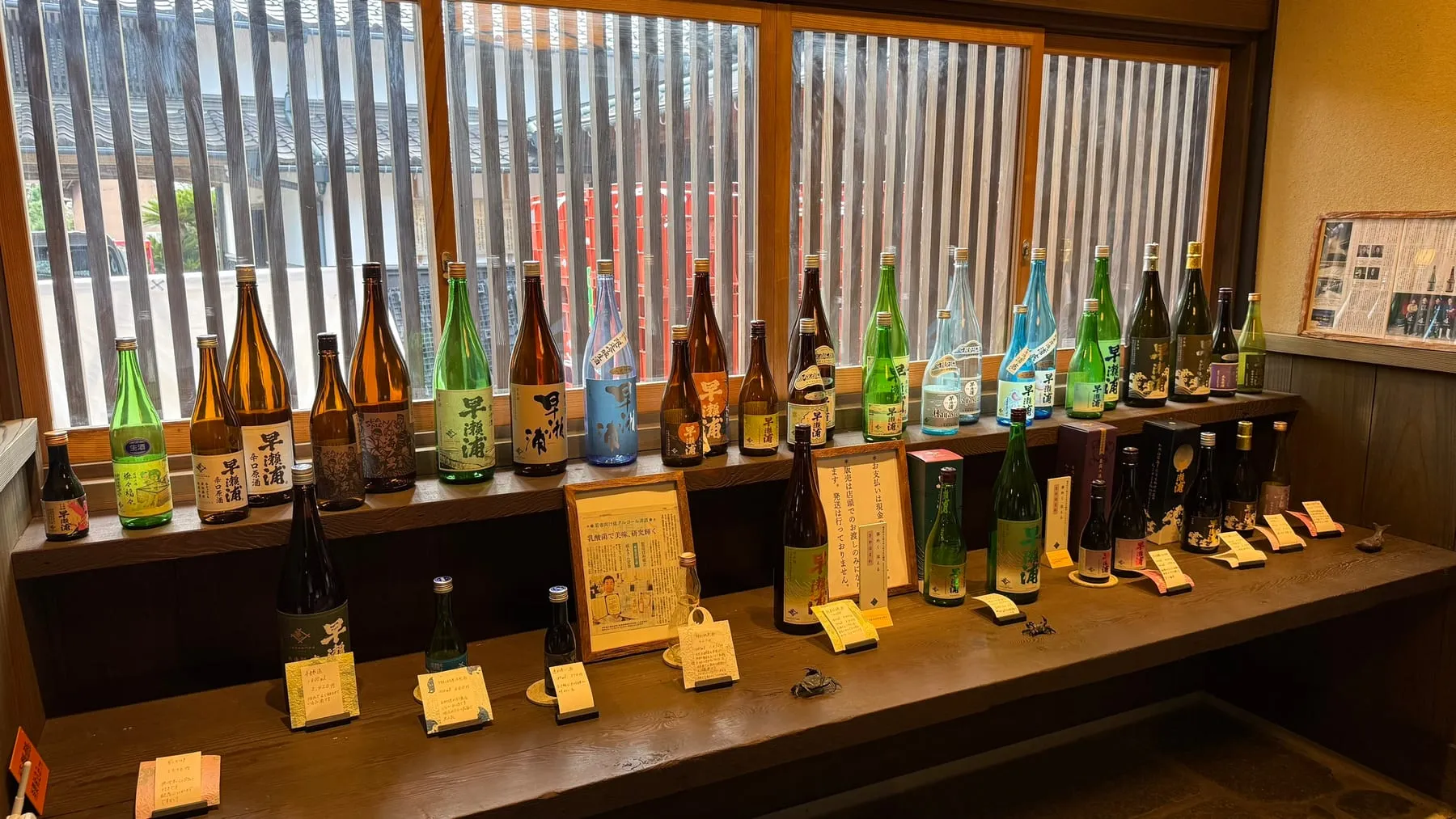
In Mihama, we heard about a traditional preserved food called heshiko, and got to taste it. A local specialty of the Wakasa region, heshiko is made by salting fish such as mackerel, then packing it in rice bran and leaving it to mature for about 1 year. The name is said to come from heshikomu, “to press in,” describing how the fish are pressed into barrels. It is salty and packed with umami, and is enjoyed lightly grilled with a bowl of rice or in ochazuke, rice with hot tea poured over it. Families made it at home to see them through the winter, and this food, born of the need to keep fish for a long time, is full of the everyday wisdom of the people here.
Another place that won my heart was the town of Hayase. From the Edo period through the Meiji era, many Kitamaebune shipowners made their homes in this port of call, and it grew into one of the wealthiest communities in Mihama. Traces of the old fishing village and its merchant houses remain, and I fell in love with the town.
You won’t find any big tourist attractions here, but you will find a way of life shaped over many generations. Coming across the Japan that lives on in everyday life, rather than scenery arranged for tourists, is one of the special pleasures of a trip like this.
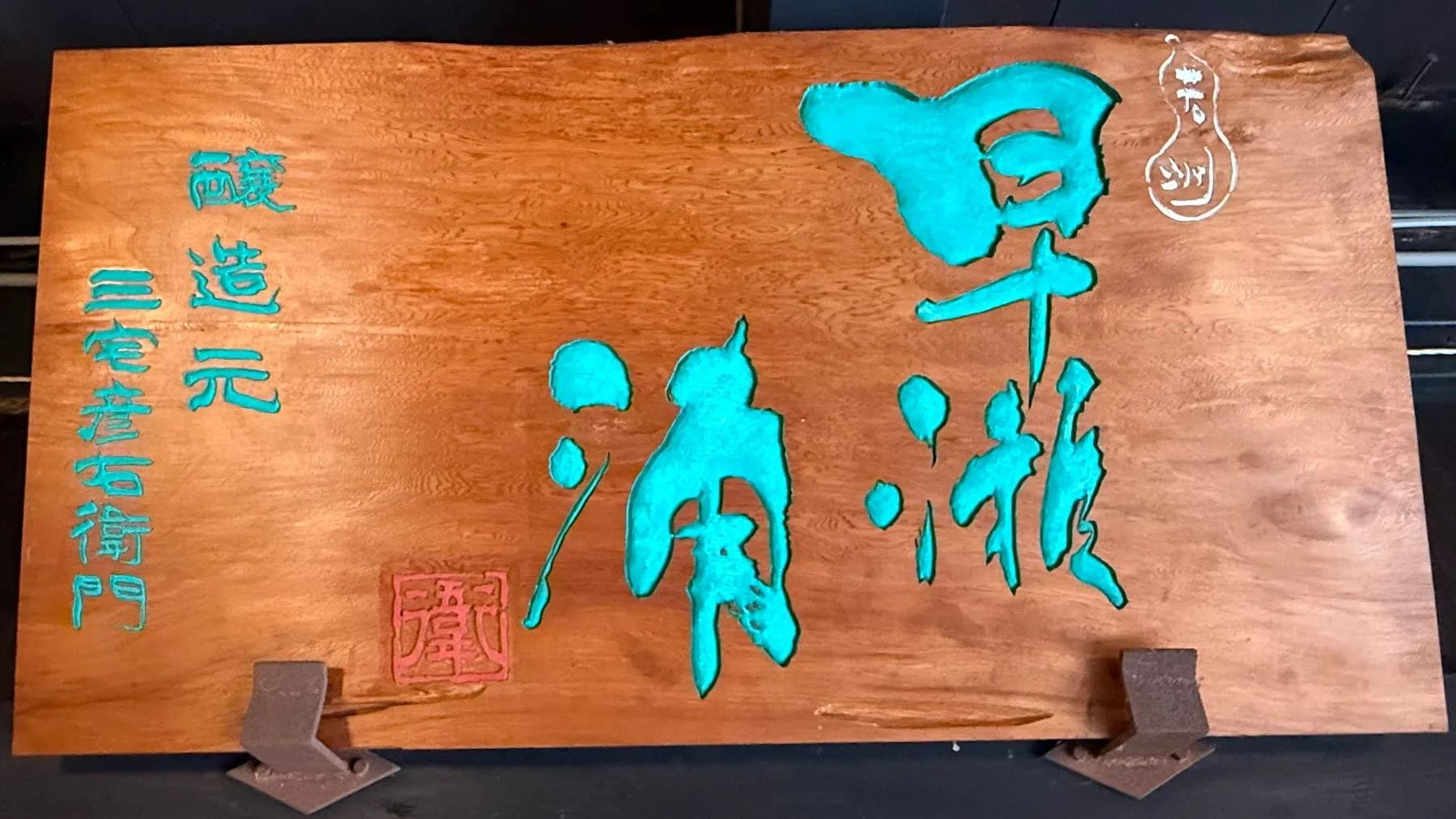
On our walk, we stopped by Miyake Hikoemon Sake Brewery, founded in 1718 (Kyoho 3). For over 300 years, it has been making sake, and its signature brand, Hayaseura, is named after the area. Carefully crafted at a small brewery, Hayaseura is something of a hidden gem. Production is limited, so few shops carry it even in Fukui Prefecture, and it is not easy to get hold of.
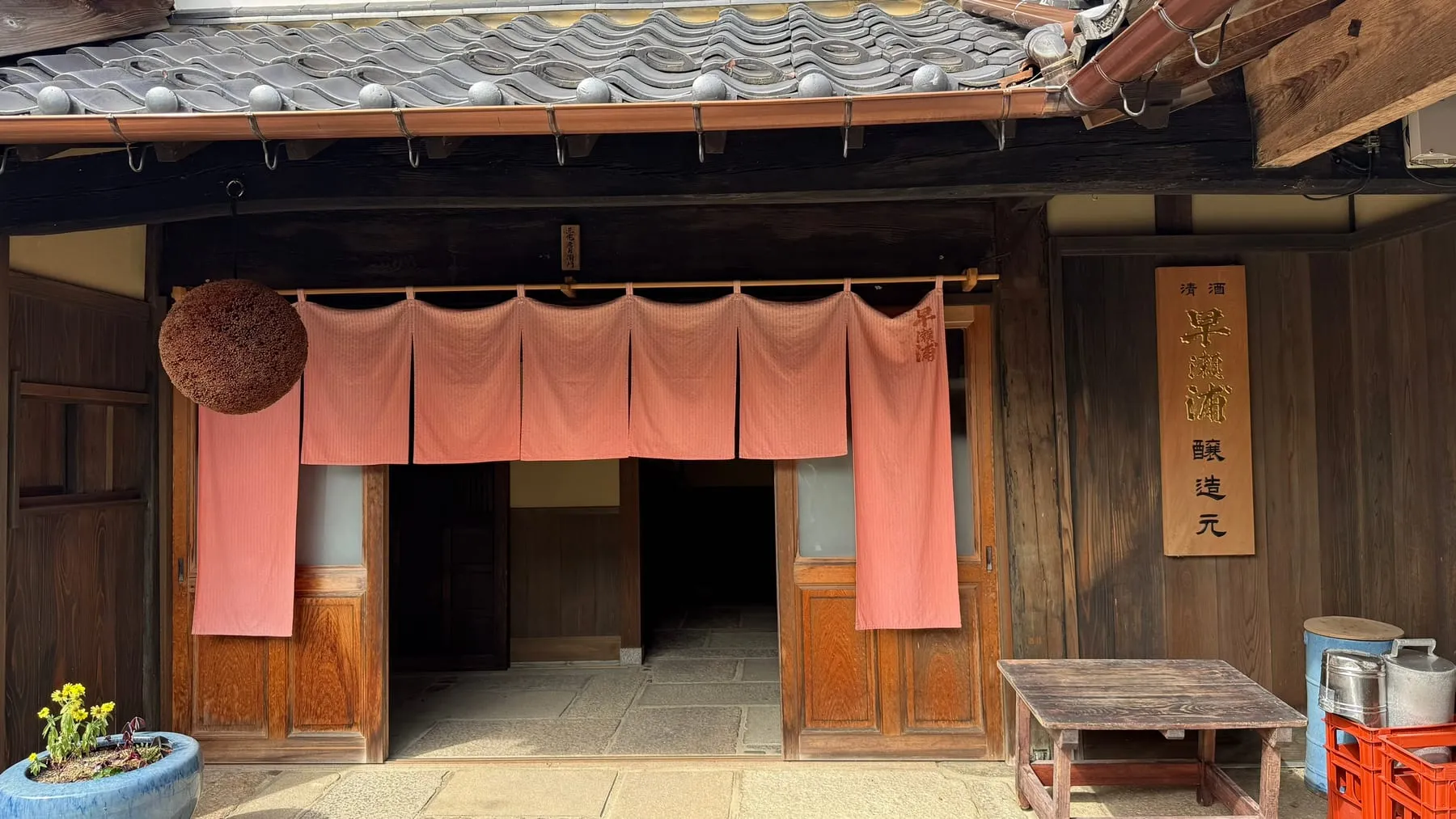
In Mihama, rice brought in by the Kitamaebune from around Japan was also turned into sake, which was then shipped out again for sale. Tasting a sake long brewed for this fishing town, at a brewery that has grown up alongside life in the port, I found myself thinking about the history of this place.
5. Tsuruga and Minamiechizen: Kombu Food Culture and the Footsteps of the Shipowners
5-1. Tsuruga’s Deep Ties to the Kitamaebune and Kombu
Tsuruga prospered as a port where kombu shipped from Hokkaido was gathered. Here we visited Okui Kaiseido, a kombu specialist, and watched a craftsman demonstrate kombu-suki, shaving kombu into paper-thin sheets with a special knife.
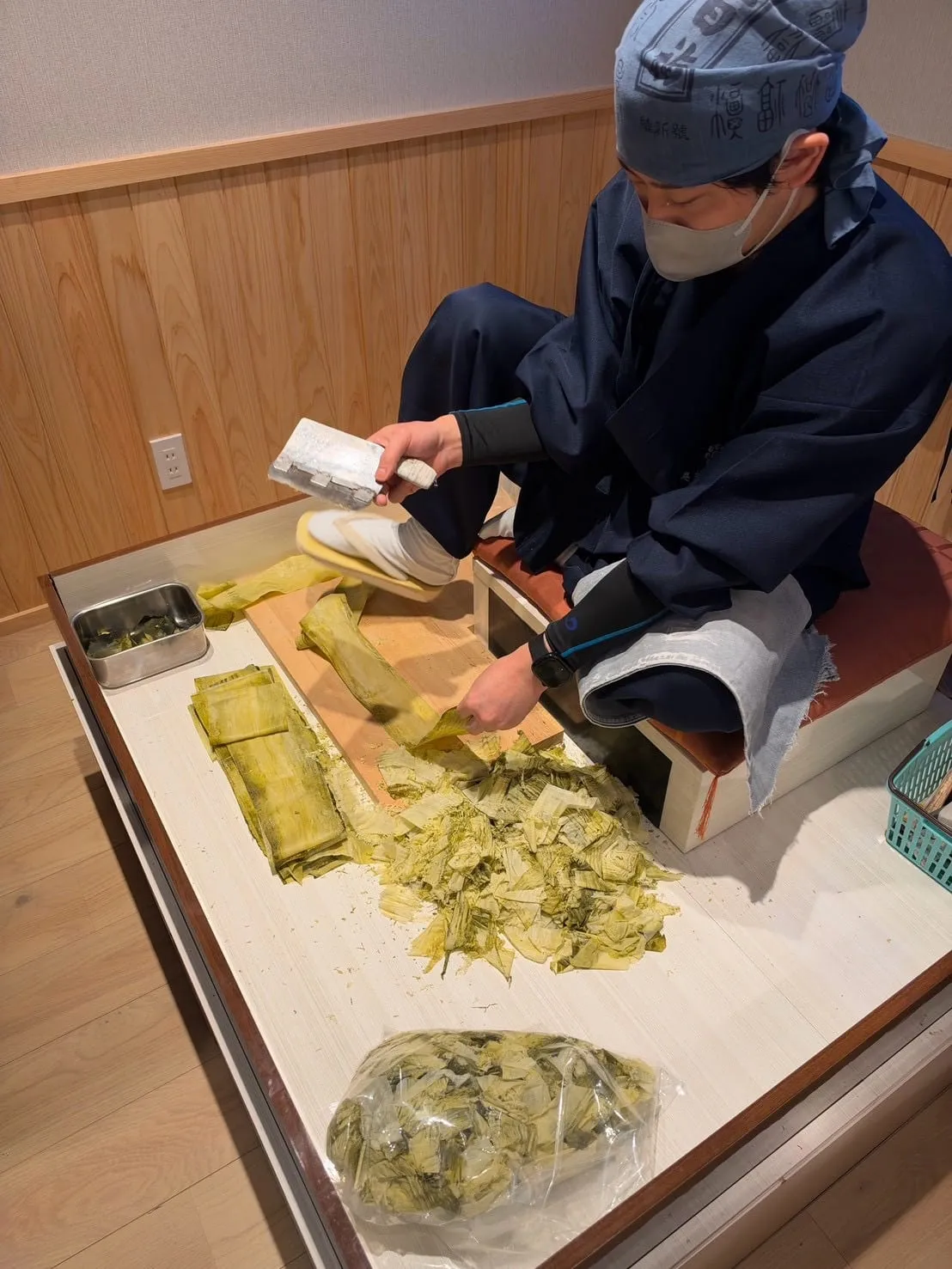
Kombu is one of the goods that best symbolizes the Kitamaebune trade. Harvested in Hokkaido and shipped across the Sea of Japan, it shaped food cultures across the country, starting with the Hokuriku and Kansai regions. Even kombu dashi, the simple stock at the heart of everyday Japanese cooking, owes something to this trade. Once you know where an ingredient came from and how it spread, familiar Japanese food starts to look a little different.
5-2. Walking Through the Shipowners’ Houses of Kono, Minamiechizen (the Ukon and Nakamura Families)
On the final day, we visited the Kono area of Minamiechizen, Fukui Prefecture, where the history of the Kitamaebune shipowners who lived there is still preserved.
We toured the Ukon Family residence, now a museum of Kitamaebune shipowners, along with its Western-style house and the Nakamura Family House. The Ukon and Nakamura families both rose to become leading Kitamaebune shipowners in the Hokuriku region. Compared with the grand merchant villas of Niigata, their homes made it much easier to picture daily life back then.
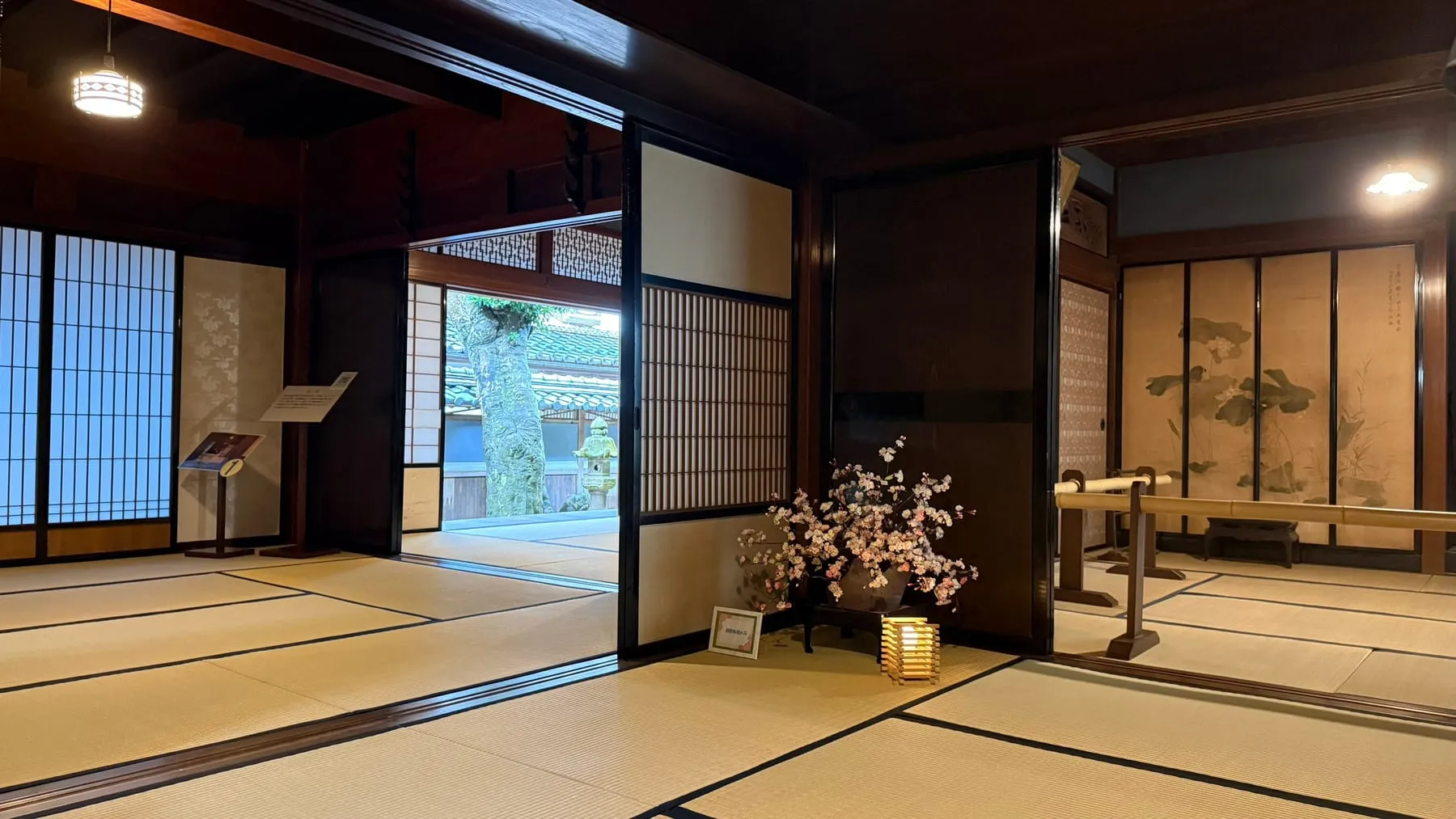
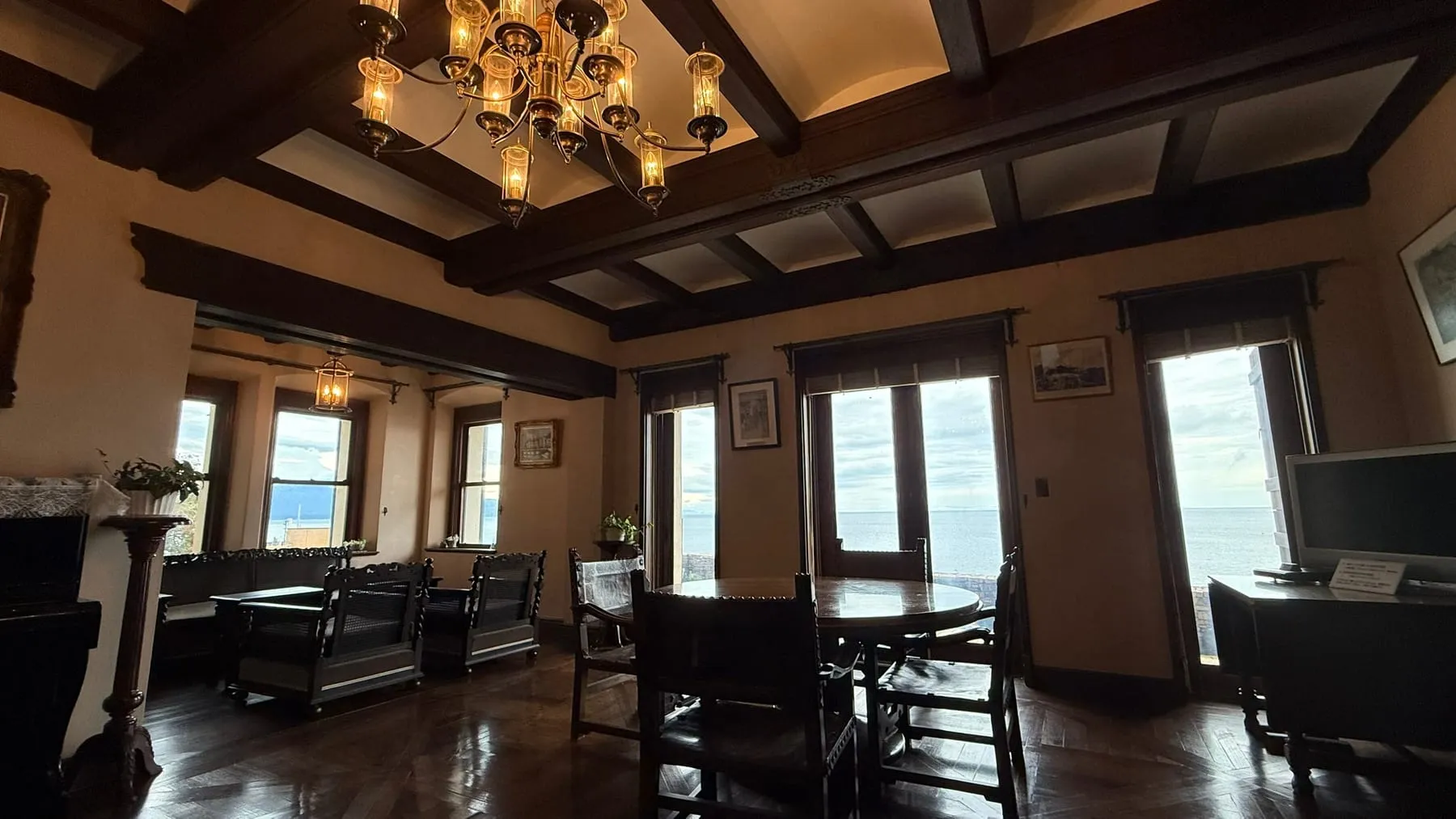
The Western-style house on the hill behind the Ukon residence is a villa blending Japanese and Western styles, built by the Ukon family in 1935 (Showa 10). After the Kitamaebune trade declined, the family was quick to move into modern shipping and marine insurance. That is what made it possible to build such a lavish house at such an unusual time, some 30 to 40 years after the age of these ships had ended. The insurance company the Ukon family helped to found went through a series of mergers and lives on today as Sompo Japan Insurance, one of Japan’s major non-life insurers.
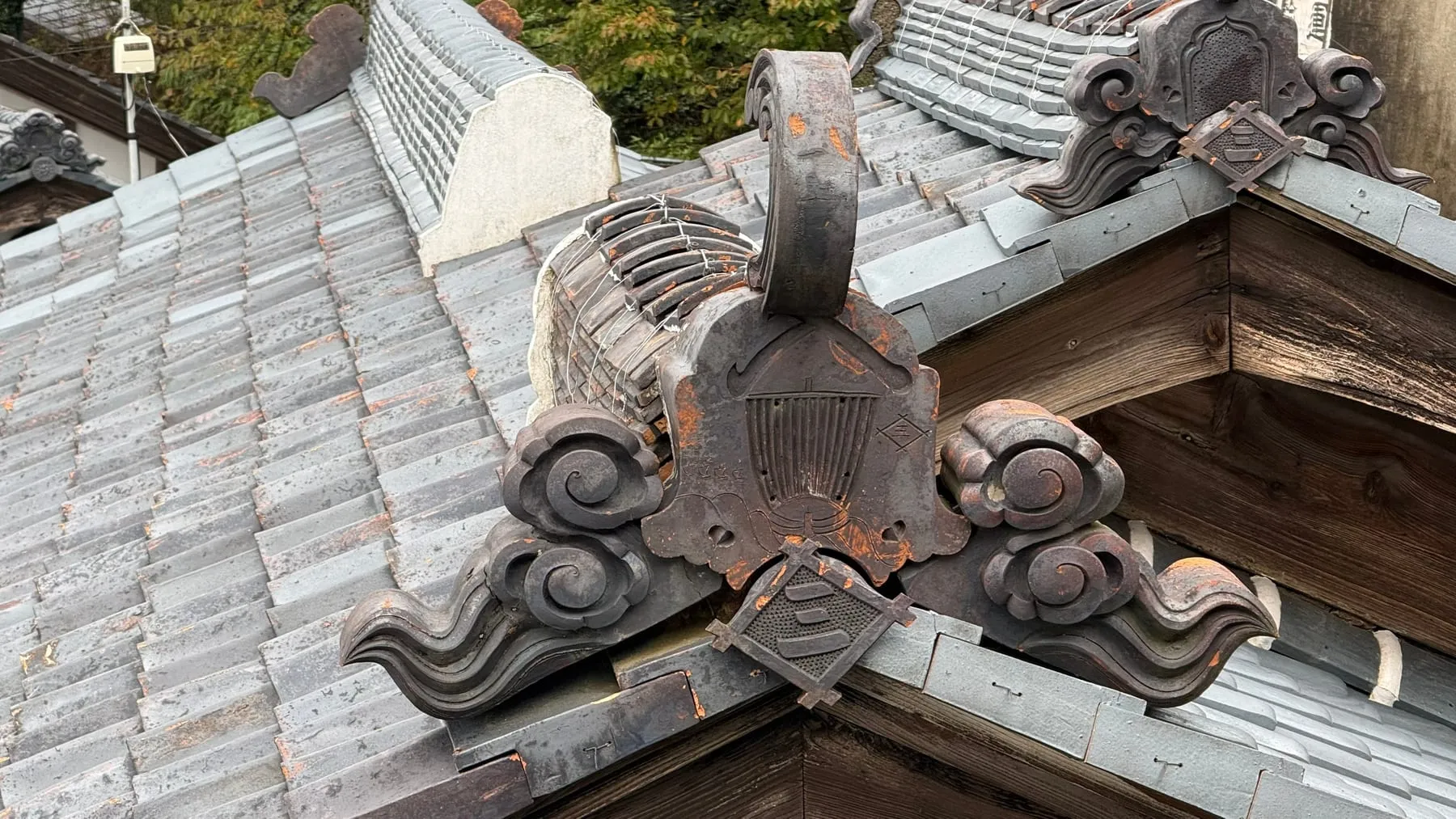
On the roof of the Nakamura Family House, we spotted an onigawara, the decorative tile at the end of a roof ridge, shaped like the sail of a Kitamaebune. In the homes of shipowners who grew rich on the trade, the ship was worked even into the roof tiles. It is a fascinating roof tile that tells you just how much the Kitamaebune meant to the shipowners of the day.
The story of the Kitamaebune is not only about ships at sea. It is also about the people who owned them, ran their businesses, and raised their families. Walking the streets where the shipowners lived made the Kitamaebune feel much more real to me.
Our 5-day trip came to an end at Echizen-Takefu Station.
6. Final Thoughts: Knowing the History Changes What You See
What I took away from this trip was more than just how fascinating the history of the Kitamaebune is. Traditional crafts, food, performing arts, architecture, and townscapes have all been handed down to the present day, shaped by the natural environment and climate, people’s ways of life, commerce, and exchange with other regions. Once you know that background, the scenery you see on your travels takes on a whole new meaning.
I also realized how much it matters to actually go to a place and hear from the people who live there. You can learn history from books or online, but listening to local people and talking with them brings a culture to life. On this trip, too, people shared so much with us about the state of geisha culture today, the history of local transport, and traditional food. None of these experiences would have been possible without being there in person.
I joined this tour knowing almost nothing about the Kitamaebune, but after 5 days, I came away far more curious about Japanese history and culture. Japan still has so much I have yet to discover.
In Niigata, Obama, Mihama, Tsuruga, and Minamiechizen, the places we visited, traces of the goods and people the Kitamaebune carried live on in the buildings, the food, and everyday life. This is a different kind of journey from hopping between famous sights: a journey to discover the stories each place has to tell.
At NEXT STOP JAPAN, we offer trips that bring you closer to the history and culture of regions across Japan. Amnet tailors every trip around the towns and experiences you want, and the length and pace that suit you. If you would like to follow in the wake of the Kitamaebune, we would love to hear from you.
Your Japan. Your Journey.